Track Geometry
Discover the importance of track geometry in ensuring the smooth and safe operation of railways. This category explores the design, measurement, and optimization of track alignment, profile, and gauge. Learn about the latest tools, technologies, and techniques used to maintain ideal track geometry for improved performance and safety.
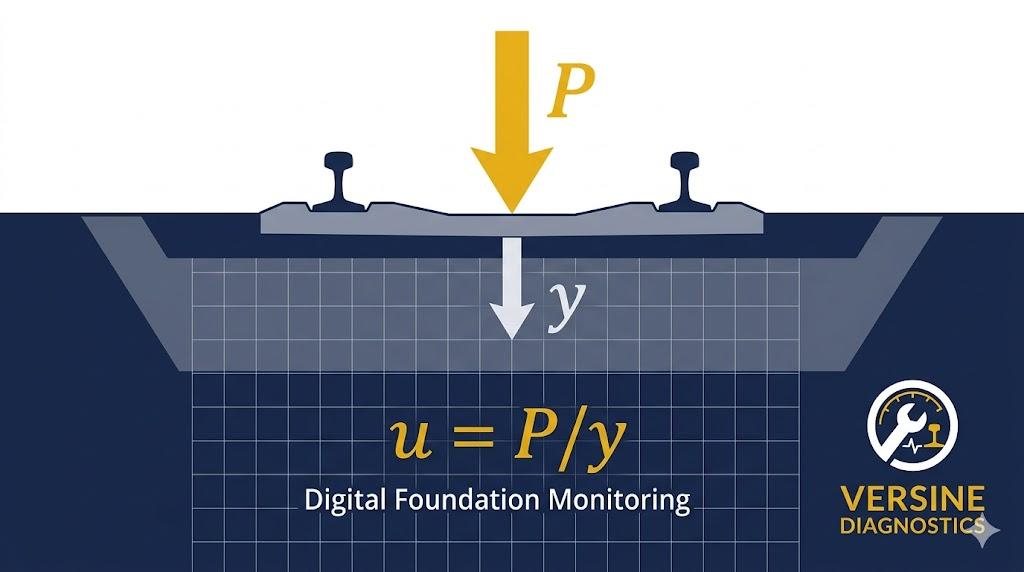
The Hidden Foundation: Understanding Track Stiffness and Modulus
While alignment and gauge are visible to the eye, the true longevity of a rail network depends on an invisible force: Track Stiffness. Explore the science of the Track Modulus and why the "elasticity"
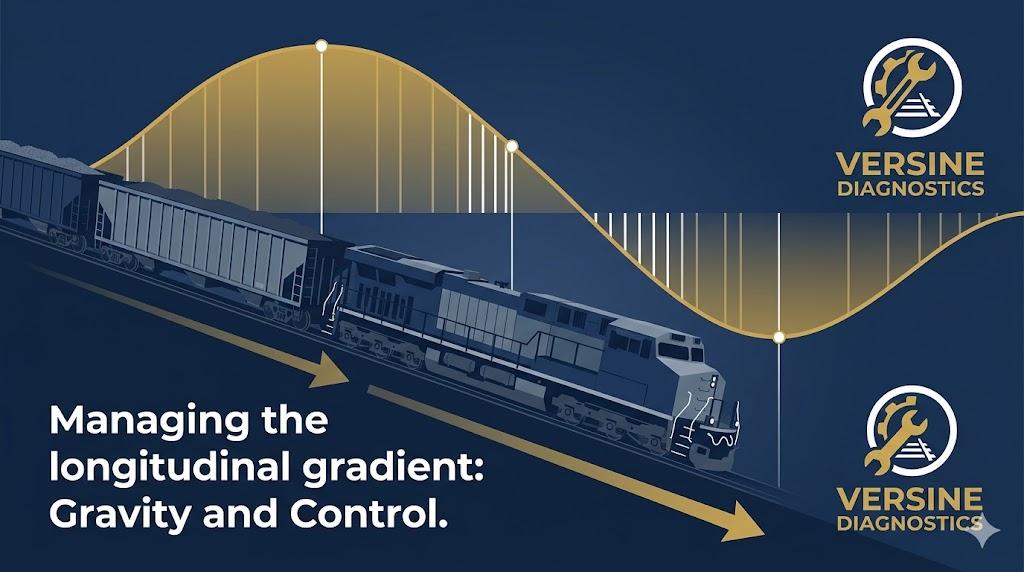
Vertical Profile & Longitudinal Gradient: Managing the Incline
Horizontal curves get all the attention, but the vertical axis determines the power and braking capacity of the entire consist. Learn how ruling gradients and vertical curves impact heavy-haul operati
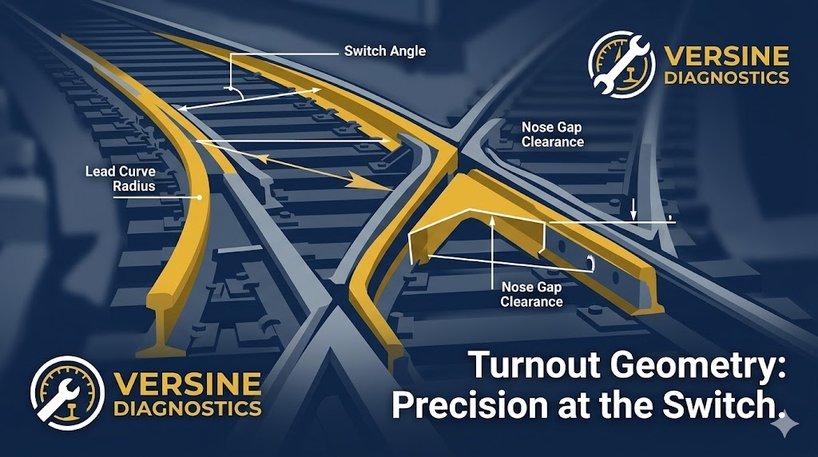
Turnout Geometry: Navigating the Most Complex Part of the Track
Turnouts are where the track geometry "breaks" and moving parts take over. Discover the critical parameters of points and crossings, from switch angles to flangeway clearance, and why they require the
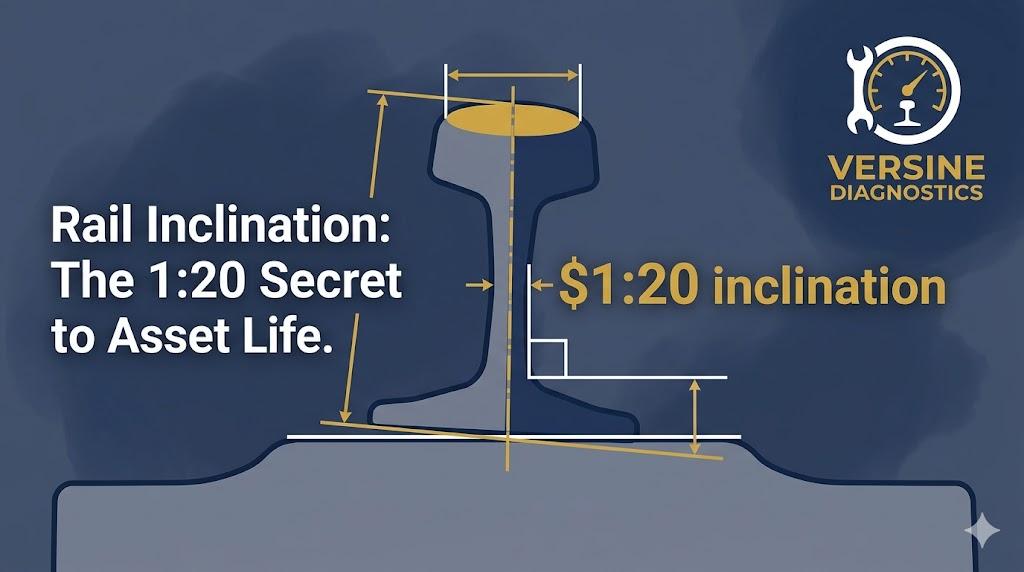
Rail Inclination: The 1:20 Secret to Wheel-Rail Harmony
Why aren't rails perfectly vertical? The subtle inward tilt of the rail, known as Rail Inclination or Cant, is a masterpiece of engineering that allows conically shaped wheels to steer themselves.
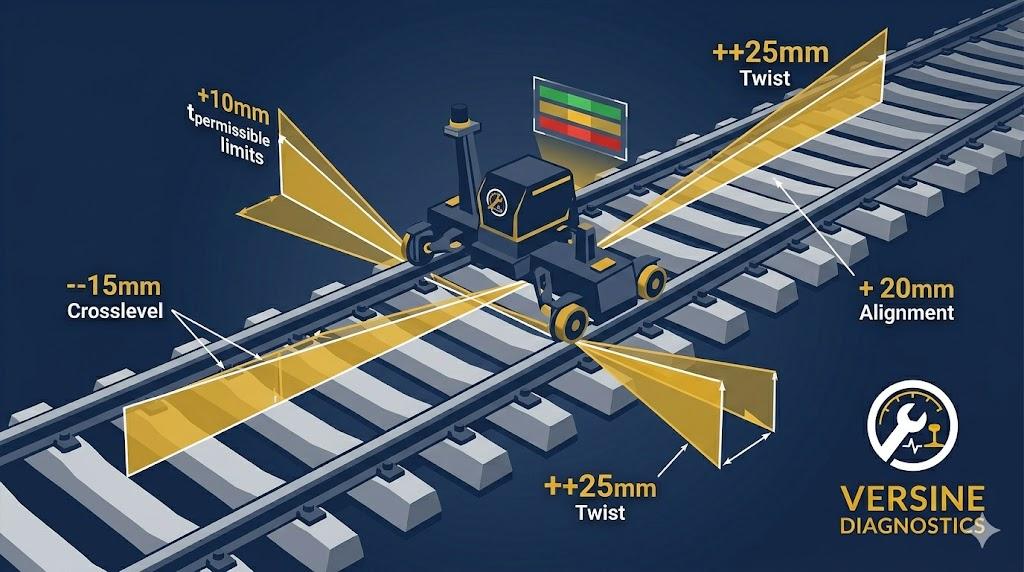
Track Geometry Tolerances & Permissible Limits in Railways
Track geometry tolerances define safe limits for gauge, alignment, cant and twist. Learn permissible standards, speed-based limits and monitoring methods.
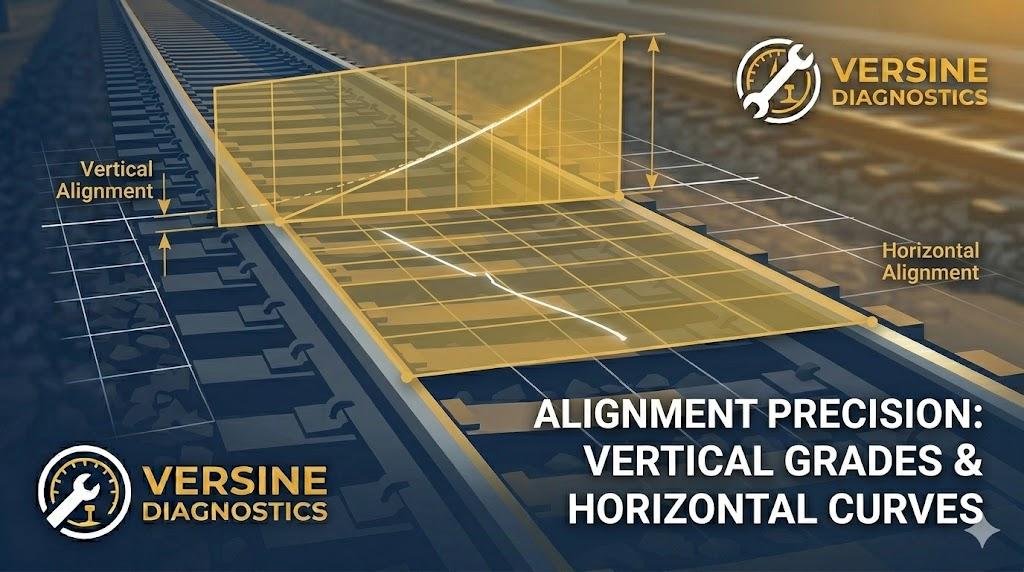
Horizontal and Vertical Track Alignment
In this blog, we’ll explore the intricacies of horizontal and vertical alignment, delve into the calculations used to maintain optimal track geometry, and highlight the advanced measuring techniques a
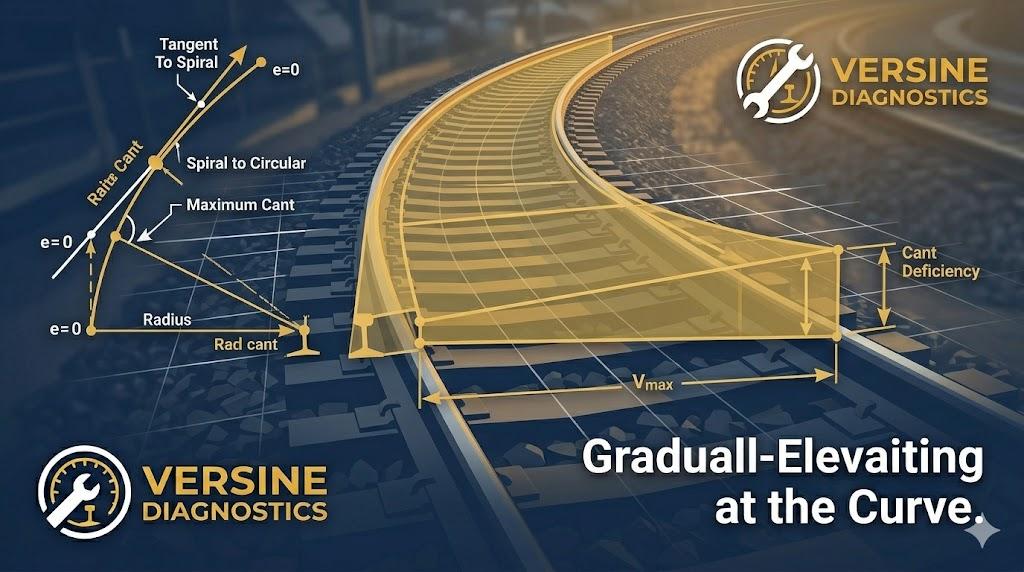
Railway Tracks and Transition Curves
Transition curves in railway tracks ensure smooth transitions from straight to curved sections, enhancing passenger comfort, reducing wear, and improving safety. Learn how they optimize track geometry
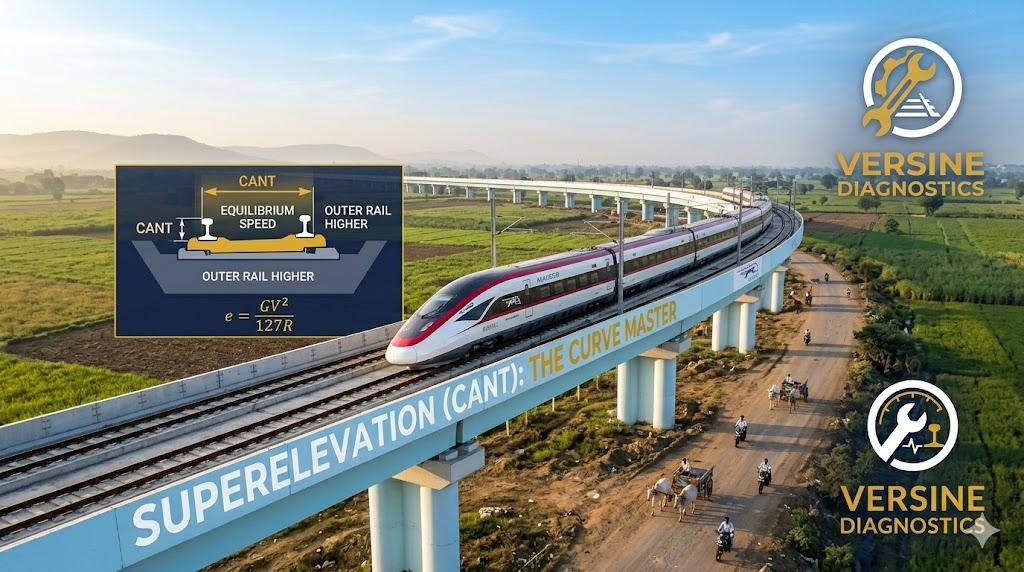
Superelevation: The Curve Master
Superelevation, also known as cant, is the intentional tilting of railway tracks on curves to counteract the effects of centrifugal force. It enhances passenger comfort, reduces wear and tear, and ens
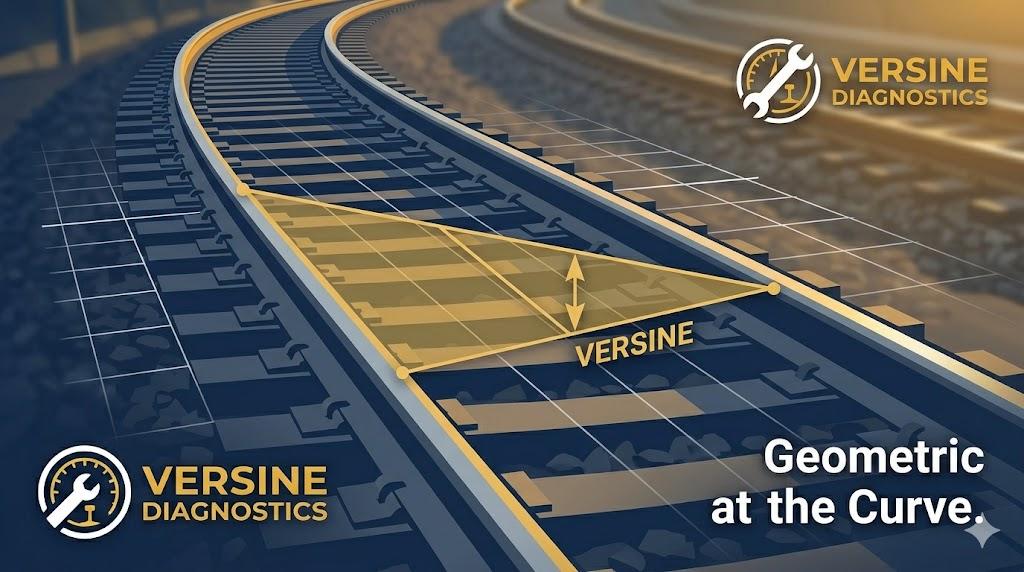
Railway Track Versine: Definition, Measurement & Importance
In this article, we'll learn about the Versine on Railway Tracks, It's importance in Track Geometry and How to Measure it..
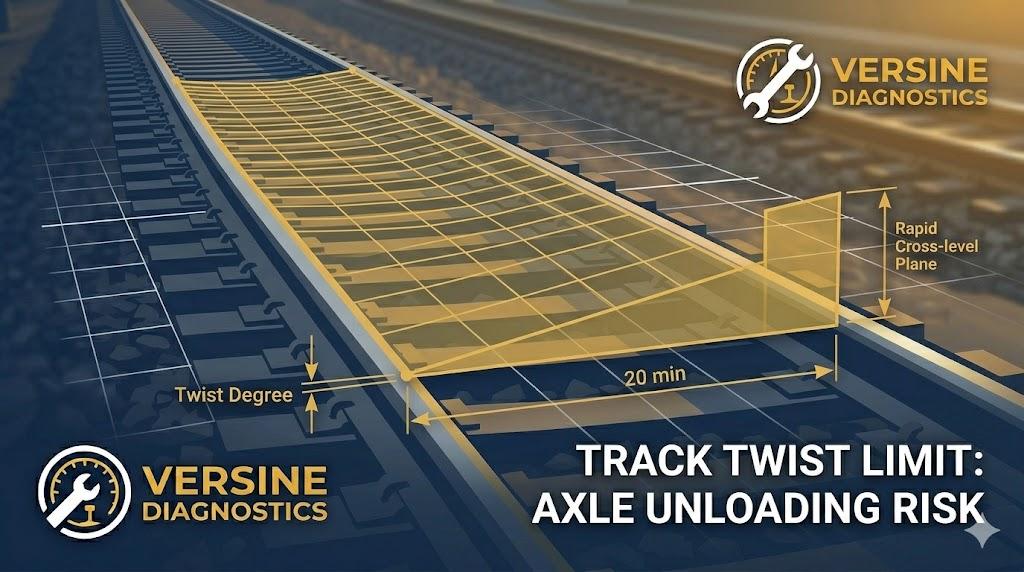
Track Twist in Railways: Causes, Consequences, and Corrections
Track Twist in railway tracks may seem minor, but it can lead to safety issues and wear. This blog explores its causes, effects, and how engineers calculate
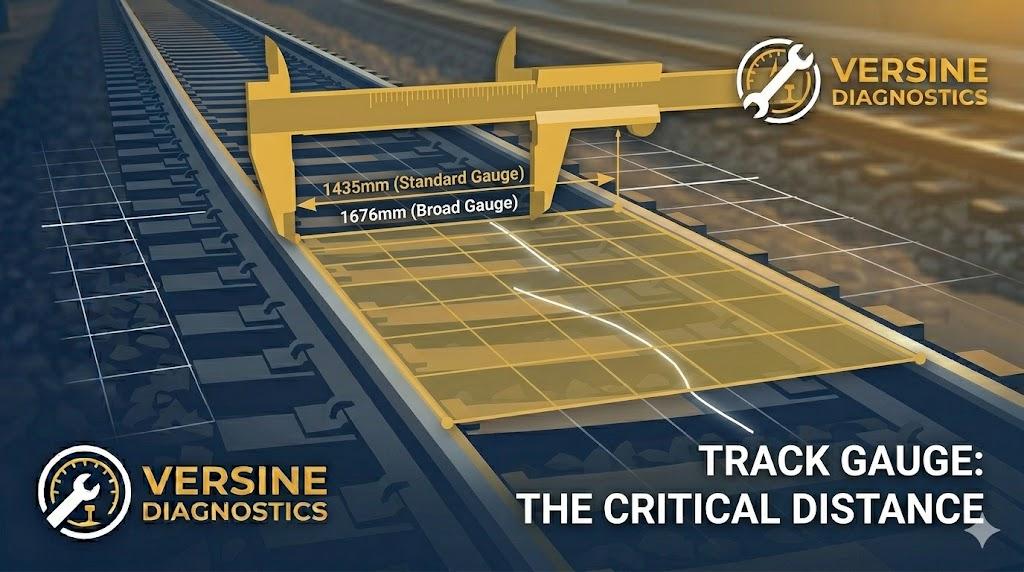
Railway Track Gauges: Why Size Matters on the Tracks
Track Gauge: The Distance Between the Rails. It plays a crucial role in the performance and safety of railway systems. From the widely used standard gauge to special...